
Battery review · Powerwall 2
Tesla Powerwall 2 review: recall, warranty and adding a Powerwall 3
By CompareVolt · Updated · Last full check
CompareVolt rating
7.2 out of 10
Older model · availability not confirmed
Worth keeping once the recall check is done, and on Backup Gateway 2 it can now pair with a Powerwall 3.
7.2 out of 10
- Warranty10 yrs, unlimited home use, 70% kept
- Functionality13.5 kWh, 5 kW; one-phase backup
- VPP readiness5 programs; VPP cover unconfirmed
- Australian backingSince 2010; claim costs not stated
Editor’s adjustment −0.5: Some units are under ACCC recall PRA 2025/20611 for cells that can overheat; affected units are being replaced.
How this score adds up
| Warranty 8.0 (30%) | |
|---|---|
| Term: 10 years | 2.0 of 3 |
| Keeps 70% at year 10 | 1.5 of 2 |
| Home use: unlimited cycles | 3.0 of 3 |
| Conditions: must stay registered and online | 1.5 of 2 |
| Functionality 7.5 (35%) | |
| Power and backup 7.5 · 60% of Functionality | |
| Continuous power: 5 kW | 3.0 of 4 |
| Backup equipment: Backup Gateway, shown in the datasheet's backup layouts | 2.0 of 2 |
| Backup output: up to 5 kW | 1.5 of 2 |
| Three-phase homes: one phase only | 1.0 of 2 |
| Capacity and expansion 8.0 · 30% of Functionality | |
| Largest documented system: 54 kWh (four Powerwall 2s on one Backup Gateway 2; the Gateway allows ten) | 4.0 of 4 |
| Adding later: a Powerwall 3 or 3AC on Backup Gateway 2; Gateway 1 must be replaced | 2.0 of 4 |
| Usable figure: 13.5 kWh, agreed | 2.0 of 2 |
| Enclosure 7.0 · 10% of Functionality | |
| Enclosure rating: IP56 | 7.0 of 10 |
| 7.5 × 60% + 8.0 × 30% + 7.0 × 10% = 7.6, rounded to the nearest half point: 7.5 | |
| VPP readiness 8.5 (15%) | |
| Open programs: 5 name Powerwall 2 | 7.5 of 8 |
| Warranty room for VPP use: 2.8 MWh per kWh | 1.0 of 2 |
| Australian backing 7.0 (20%) | |
| Presence: Tesla Motors Australia Pty Ltd, published contacts | 3.0 of 3 |
| In Australia since 2010 | 2.0 of 2 |
| Claim route: installer first, then Tesla | 1.5 of 2 |
| Claim costs: not stated | 0.5 of 3 |
| Overall: 8.0 × 30% + 7.5 × 35% + 8.5 × 15% + 7.0 × 20% = 7.7; editor’s adjustment −0.5: 7.2 | |
Rubric 1.0 · scored 17 Nov 2026 · How we rate batteries · Source documents
Rated so far: 38 batteries, from 4.4 to 8.2. Compare similar batteries · Use the quote checklist
In a nutshell
What’s good
- Add a Powerwall 3. Tesla now supports one Powerwall 3 and up to three Expansion units beside up to four Powerwall 2s on Backup Gateway 2, from software 26.26.
- Unlimited home-use cycles. Under Tesla’s current warranty, solar self-consumption, time-based control and backup have no throughput cap for ten years.
- Later owners can claim. A later owner can claim with proof of ownership; moving the battery to another address needs Tesla’s written consent.
1 more good point
- Sits beside existing solar. A fully integrated AC battery, so solar stays on its own solar inverter.
What to watch
- Recall on some units. The recall notice warns an overheating cell may lead to a fire. Check the Tesla app; affected units are discharged, then replaced free.
- 5 kW per battery. Everything on backup shares at most 5 kW continuously from each unit; Tesla quotes Powerwall 3 at up to 10 kW.
- Not on the approved list. We found no Powerwall 2 on the Clean Energy Council’s approved list. Tesla says an existing one stays compliant when a Powerwall 3 is added.
2 more things to watch
- One-phase backup. On a three-phase supply, Backup Gateway 2 backs up one selected phase only.
- Stay registered and online. After an extended disconnection, or without registration, cover may drop to as little as four years.
Good fit for: Owners keeping a working Powerwall 2, or adding a Powerwall 3 or 3AC to one, whose blackout needs fit one phase and 5 kW per battery.
Look elsewhere if: You’re buying a new battery today: Tesla sells Powerwall 3 instead, and we found no Powerwall 2 on the approved battery list.
All specifications and notes
Capacity and power
| Usable capacity | 13.5 kWhUsable energy in the reviewed configuration. |
|---|---|
| Continuous power output | 5 kW ACCharge and discharge, 5 kVA, single-phase. Tesla’s Australian datasheet gives no peak figure. |
| Warranty | 10 yearsTesla’s current edition: from first installation, keeping 70% of 13.5 kWh. Uses other than home self-consumption, time-based control and backup are capped at 37.8 MWh. |
| Recall notice | PRA 2025/20611A subset of units sold from 1 Nov 2020 to 23 Aug 2025; an overheating cell may lead to a fire. Tesla replaces affected units at no cost. |
Manufacturer’s figures
As stated in the manufacturer’s Australian datasheet. Only the IP rating feeds the score; the rest are shown for reference.
| IP rating | IP56The maker’s rating for dust and water getting in, which matters on an outdoor wall.IP67 battery and power electronics, IP56 wiring compartment. Lower one shown |
|---|---|
| Weight | 114 kgWhether it can go on a wall, and how the installer has to handle it.One Powerwall 2 unit |
| Dimensions | 1,150 × 753 × 147 mmWhether it fits the wall or cupboard where the installer plans to put it.Slightly different on units made before March 2019 |
| Charge power | 5 kWHow fast it can soak up solar, or a cheap or free power window.Maximum continuous real power, charge and discharge (5 kVA) |
| Operating temperature | −20°C to 50°CWhether it suits a hot garage or an outdoor wall where you live.Tesla’s preferred range is 0°C to 30°C |
| Noise | < 40 dBA at 30°CMatters if it sits near a bedroom or a neighbour’s window.Measured at 1 m |
| Round-trip efficiency | 90%How much of the energy you store comes back out when you use it.AC to battery to AC, at beginning of life (25°C, 3.3 kW) |
| Cell chemistry | Lithium-ionThe type of battery cell the maker says is inside.As printed in the datasheet's description; no cell type given |
More specifications
| Part numbers | 1092170, 2012170, 3012170, 1108572Powerwall 2 AC part numbers in Tesla’s Australian warranty; the owner’s manual lists the first three. |
|---|---|
| Adding storage | A Powerwall 3 or 3AC, plus ExpansionsUp to four Powerwall 2s, one Powerwall 3 and three Expansion units in Tesla’s application note; the 3AC manual allows a 3AC in the same place. |
| Gateway to add a Powerwall 3 | Backup Gateway 2Gateway 1 must be replaced with Backup Gateway 2, and a Neurio meter with a Tesla Remote Meter. |
| Warranty energy limit | Unlimited or 37.8 MWhUnlimited for solar self-consumption, time-based control and backup; 37.8 MWh for any other use, measured at AC output. |
What the system needs
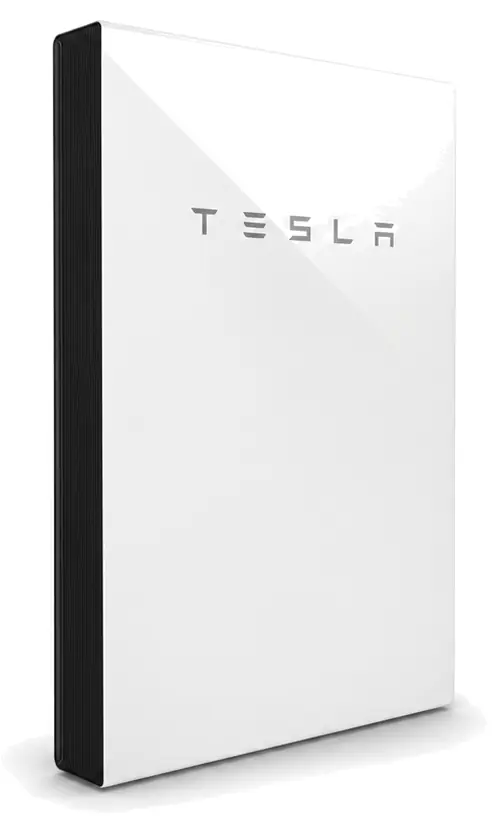
| Powerwall 2 | A fully integrated 13.5 kWh AC battery. This review covers Powerwall 2 AC, part numbers 1092170, 2012170, 3012170 and 1108572. |
|---|---|
| Backup Gateway | Backup needs a Backup Gateway; a Non-Backup Gateway system doesn’t run in a blackout. Adding a Powerwall 3 needs Backup Gateway 2, so Gateway 1 must be replaced. |
| Solar inverter | Optional. Solar connects through its own inverter, and the battery stores what the home doesn’t use. |
Tesla’s earlier 13.5 kWh AC battery, not on Tesla’s current Australian sales pages. This review is for owners checking the recall, the warranty or an expansion quote, and for anyone offered one now.
Capacity and power
This review covers Powerwall 2 AC with a Backup Gateway, the setup Tesla’s Australian and New Zealand datasheet shows for backup. The datasheet gives 13.5 kWh usable of 14 kWh total, and 5 kW continuous, charging or discharging, on a single phase. It gives no peak rating.
Tesla describes Powerwall 2 as a fully integrated AC battery: it connects to the home’s AC wiring, solar panels connect through a separate solar inverter, and the battery stores the solar the home doesn’t use at the time. Tesla’s application note covers existing systems of up to four Powerwall 2s on one Backup Gateway 2, which is 54 kWh.
The 5 kW is shared by everything running from one unit at once. Tesla’s Australian pages quote Powerwall 3 at up to 10 kW, depending on local conditions, so check what the backup circuit runs before relying on one Powerwall 2 for air conditioning or an EV charger in a blackout.
Backup and installation
Backup depends on the Gateway. Tesla’s owner’s manual lists three: a Non-Backup Gateway, whose systems don’t run in a blackout; Backup Gateway 1, now a legacy product; and Backup Gateway 2. Tesla says the part number is on a sticker inside the Gateway door. On a three-phase supply, Backup Gateway 2 backs up one selected phase and disconnects all phases during an outage (Gateway 2 datasheet).
Adding storage now means adding a Powerwall 3 or 3AC. Tesla’s application note says that from software 26.26, one Powerwall 3 with up to three Expansion units can join an existing system of up to four Powerwall 2s on Backup Gateway 2. The Powerwall 3 then runs the system, and Backup Gateway 2 still handles backup. Gateway 1 must be replaced with Backup Gateway 2, and a Neurio meter with a Tesla Remote Meter. Tesla’s compatibility page adds that on a three-phase connection the Powerwall 3 is limited to 5 kW. The note names only Powerwall 3; Tesla’s Powerwall 3AC installation manual allows a 3AC in the same place.
One Tesla document disagrees. The Australian Powerwall 3 installation manual (revision 1.13, 25 September 2026) still lists Powerwall 2 as not compatible with Powerwall 3. Ask the installer to name, in writing, the Tesla procedure they’ll follow for your mixed system.
Warranty and ownership
Tesla’s current Australian warranty (revision 1.17, effective 3 September 2026) names Powerwall 2 AC by part number. It gives ten years of defect cover from first installation and promises 70% of 13.5 kWh at ten years. Solar self-consumption (storing your own solar to use at home), time-based control and backup have unlimited cycles. Any other use, or a mix that includes one, is capped at 37.8 MWh of throughput, measured at the AC output. The warranty doesn’t mention VPPs (virtual power plants), so get written confirmation for your program before treating its control as unlimited-cycle use.
Working the warranty’s energy limits through at one full charge and discharge a day:
- Home use: no throughput limit.
- VPP and other uses: 37.8 MWh, about 2.8 MWh per usable kWh. At one full charge and discharge a day that is reached in about 7.7 years, before the 10-year term ends.
Your system came with the warranty edition current when it was installed, which may differ from this one; we scored the current edition and haven’t checked older ones. Tesla says adding a Powerwall 3 leaves the Powerwall 2’s original warranty in place.
Cover depends on staying registered and online. After an extended disconnection, cover may drop to as little as four years from first installation; Tesla doesn’t say how long counts as extended.
Buying a home with one? The warranty covers a Powerwall 2 bought from Tesla or a Tesla Certified Installer in Australia or New Zealand and installed there. A later owner can claim with proof of the original purchase and each change of ownership. Removing the battery and reinstalling it at another address without Tesla’s written consent can void cover, so a second-hand unit offered for moving to your home carries that risk.
If you were on the Tesla Energy Plan, Tesla’s warranty extension adds defect cover for years 11 to 15 and 60% capacity retention for units enrolled under its terms. Tesla’s plan FAQ says eligible owners keep it after the plan’s 30 September 2025 closure; a claim needs proof of the installation date and of your enrolment. The extension is for the owner who registered for the plan, so a later buyer shouldn’t count on it.
Brand and Australian support
Recall, warranty and support pages checked 17 November 2026. The rating uses Tesla’s Australian support record: Tesla Motors Australia Pty Ltd, on the Australian Business Register since 2010. Warranty claims go first to the Tesla Certified Installer who sold the system. If you can’t reach that installer, or you bought from Tesla, you claim through Tesla, which needs a return authorisation (RMA) before anything is sent back. Tesla may repair the battery, replace it with an equivalent product (possibly refurbished) or refund an equivalent product’s market price. The warranty doesn’t say who pays for diagnosis, removal, reinstallation, travel or freight on an accepted claim. Australian Consumer Law rights apply alongside it.
The recall. In September 2025, Tesla Motors Australia recalled a subset of Powerwall 2 units (PRA 2025/20611) because cells from a third-party supplier may fail and overheat. With most affected units discharged, the notice says the risk of overheating is now very low, but an overheating cell may lead to a fire that could cause serious injury, death or property damage. A few incidents have damaged property, and no injuries have been reported. Because of this recall, our rating takes 0.5 off the overall score.
Tesla’s replacement page says nearly all affected units in Australia have been discharged remotely, and every affected unit will be removed and replaced at no cost. Your original installer is the first contact; otherwise Tesla gives PWNoticeANZ@tesla.com and 1800 958 369. Solar should keep running while an affected battery is disabled, but backup is off until the replacement is in. Tesla says affected units are replaced under warranty, and its current warranty gives a replacement the rest of the original term. The recall notice doesn’t name the replacement model, so ask which model you’ll get. Tesla says it will consider compensation for lost energy savings case by case.
The recall’s dates, 1 November 2020 to 23 August 2025, describe the units it covers, not when sales ended. The ACCC’s recall list showed no other Tesla battery recall when we searched it on 17 November 2026. A recall of some units doesn’t tell you how the rest will hold up.
Price and alternatives
Tesla publishes no Powerwall 2 price. With the “existing Powerwall 2 owner” option turned on, its order page displayed $9,500 for one Powerwall 3 using your existing Gateway and accessories on 17 November 2026, GST included. With one Expansion unit it was $18,100, and with two $26,700. Site inspection, delivery, installation and other charges are extra, pricing may vary with single- or three-phase supply, and the final price comes from a Certified Installer. That’s Powerwall 3 hardware, not a price for this battery.
If you’re offered a new, unused or second-hand Powerwall 2, check where it was first bought: the warranty needs a purchase from Tesla or a Tesla Certified Installer. Ask Tesla whether its serial number is in the recall. We found no Powerwall 2 on the Clean Energy Council’s approved battery list on 17 November 2026. Tesla’s compatibility page names Powerwall 3 and its Expansion units for the federal discount, and says an existing Powerwall 2 stays compliant when a Powerwall 3 is added. Ask the installer in writing whether any discount applies before you count it.
For new storage, read our Powerwall 3 review, or the Powerwall 3AC review for a storage-only unit with a fixed 5 kW output.
Who it suits
Before adding storage, use the battery size calculator against your evening use, then get a quote that names the Powerwall 3 or 3AC and says what the mixed system backs up. Buying a home with a Powerwall 2? Ask the seller to show its recall status in the Tesla app, plus the installation date (the ten years run from it) and the warranty paperwork, including proof of the original purchase.
How it compares
Other reviewed batteries closest to 13.5 kWh of usable capacity.
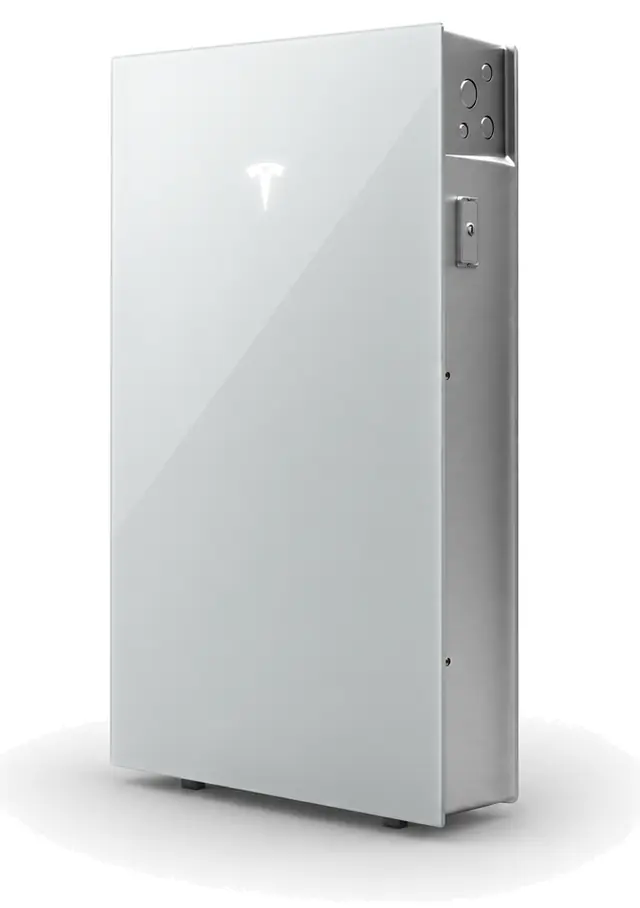
- Tesla Powerwall 3 review: Australian price and backup limitsRated 8.2 out of 1013.5 kWh usableWarranty: 10 yearsOne difference: FunctionalityTesla Powerwall 3 review: Australian price and backup limits9.0Powerwall 27.5
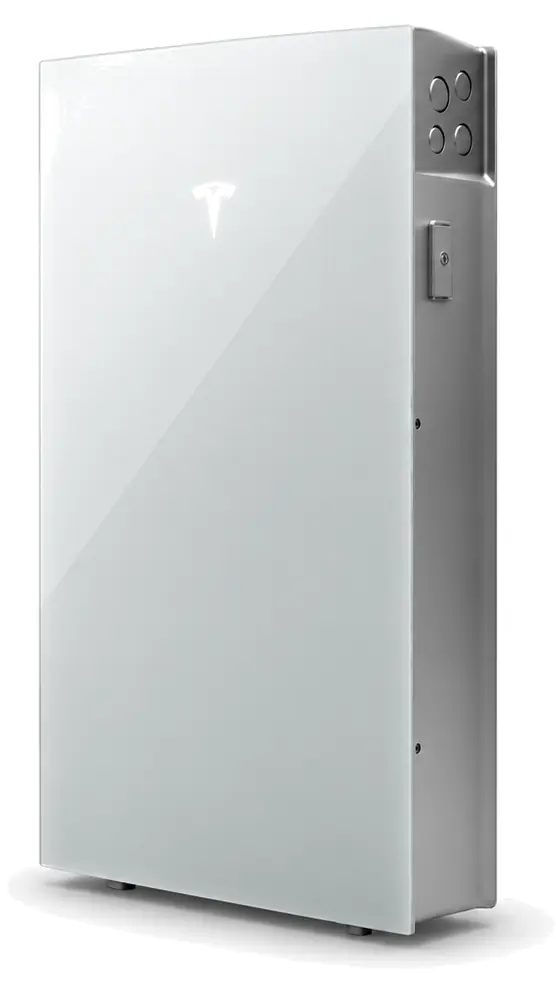
- Tesla Powerwall 3AC review: the 5 kW storage-only Powerwall 3Rated 6.8 out of 1013.5 kWh usableWarranty: 10 yearsOne difference: VPP readinessTesla Powerwall 3AC review: the 5 kW storage-only Powerwall 31.0Powerwall 28.5
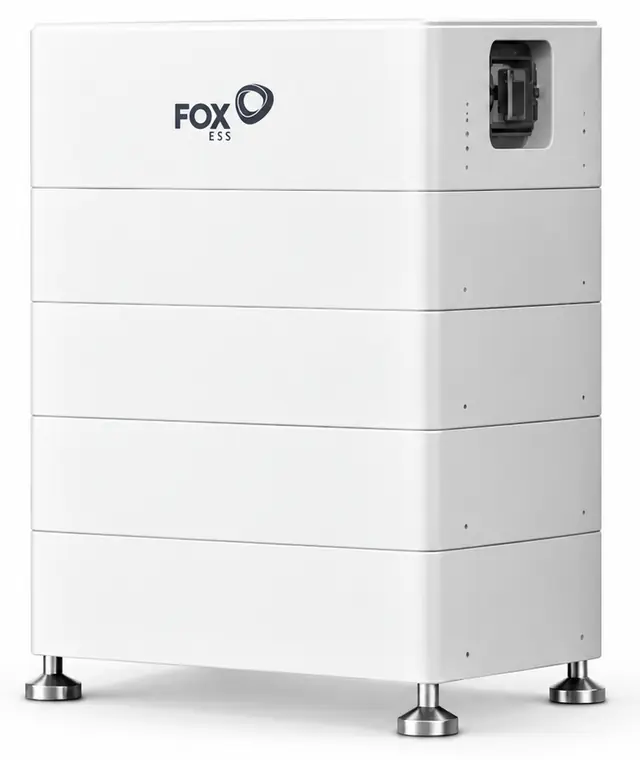
- FoxESS EQ4800-L3 battery reviewRated 6.8 out of 1013.98 kWh usablePerformance warranty: 10 years or 58.98 MWhOne difference: Australian backingFoxESS EQ4800-L3 battery5.5Powerwall 27.0
Questions people ask
Is my Tesla Powerwall 2 part of the recall?
Check the Tesla app, your email and voicemail for a message from Tesla, and make sure the system is online. The recall, PRA 2025/20611, covers a subset of units sold from 1 November 2020 to 23 August 2025; affected units are replaced at no cost. Contact your original installer first.
Can I add a Powerwall 3 to my Powerwall 2?
Yes, Tesla says: from software 26.26, one Powerwall 3 and up to three Expansion units can join up to four Powerwall 2s on Backup Gateway 2. Gateway 1 and Neurio meters must be replaced first, and on three-phase power the Powerwall 3 is limited to 5 kW. A Tesla Certified Installer must do the work.
Can I still buy a new Tesla Powerwall 2?
Tesla doesn’t offer one: its Australian Powerwall page shows Powerwall 3 and Powerwall 3P only. We also found no Powerwall 2 on the Clean Energy Council’s approved battery list on 17 November 2026.
How long is the Powerwall 2 warranty?
Ten years from first installation, keeping 70% of 13.5 kWh, under Tesla’s current Australian warranty; your own edition may differ. Without registration or after an extended disconnection, cover may drop to as little as four years. Former Tesla Energy Plan customers who enrolled may have an extension to year 15.
Does the warranty transfer when I buy a house with a Powerwall 2?
A later owner can claim with proof of the original purchase and each change of ownership. The Tesla Energy Plan extension is for the owner who enrolled. Moving the battery to another address without Tesla’s written consent can void cover.
How long will 13.5 kWh last?
Divide 13.5 kWh by your average power use: about 13.5 hours at 1 kW or 4.5 hours at 3 kW. One unit supplies at most 5 kW continuously, and an older unit may hold less: the warranty promises 70% at ten years.
Before you accept a quote
Tesla doesn’t publish a price for this battery, so the installed price comes from your quotes.
- The system will run software 26.26 or later on Backup Gateway 2 with no Neurio meter, or the quote includes replacing Gateway 1 or a Neurio meter.
- The quote names a Powerwall 3 or 3AC, any Expansion units and, on three-phase power, the backed-up phase and output limit.
- Any recall replacement for your unit is arranged before paid expansion work starts.
- The installer is a Tesla Certified Installer and lists the backed-up circuits against 5 kW per Powerwall 2.
- A second-hand or moved Powerwall 2 comes with proof of purchase and ownership, its recall status and Tesla’s written consent for any move.
Estimate the federal battery certificates for 13.5 kWh usable (opens in a new tab)
Check the model in your quote
Check that your quote names Powerwall 2 in the configuration this review covers.
Other Tesla lines: Tesla batteries
Australian support and warranty claims
- Australian presence
- Tesla Motors Australia Pty Ltd, published contacts
- In Australia since
- 2010
- Where claims go
- Installer first, then Tesla
- Claim costs
- Not stated
Tesla Australian contact details (opens in a new tab) · Warranty document (opens in a new tab) · Checked
VPPs that list Tesla Powerwall
Compare programsThese programs list the battery family. “Names Powerwall 2” marks a program whose published list names this line. Your exact battery, inverter and address still need approval; inclusion does not confirm warranty cover. How VPPs work.
All programs shown require an electricity account with the provider. If you already use that retailer, a switch may not be needed; a particular plan may still be required. Credits are before electricity costs and any program fees.
5 listings · 5 recorded as naming Powerwall 2 · Program A–Z
| Provider | Program | Names Powerwall 2 | States listed | Reward snapshot | Last checked |
|---|---|---|---|---|---|
| ActewAGL | Battery Power Top-Up | Yes | ACT · south-east NSW | $240/year in bill credits | |
| AGL | AGL VPP | Yes | NSW · VIC · QLD · SA | Sign-up, ongoing and event credits SA ongoing credits conflict across published sources ($80 or $180 a year); AGL confirms your amount when you join. | |
| Amber | SmartShift | Yes | NSW · VIC · SA · ACT · QLD (Energex) | Variable wholesale export earnings | |
| ENGIE | ENGIE VPP | Yes | NSW · VIC · SA | Monthly credits that vary by state | |
| Origin Energy | Loop · Battery Lite | Yes | NSW · SA · VIC · QLD · ACT | $1/kWh during VPP events |





ActewAGL
Battery Power Top-UpListed: ACT · south-east NSW
Names Powerwall 2
AGL
AGL VPPListed: NSW · VIC · QLD · SA
Names Powerwall 2
Amber
SmartShiftListed: NSW · VIC · SA · ACT · QLD (Energex)
Names Powerwall 2
ENGIE
ENGIE VPPListed: NSW · VIC · SA
Names Powerwall 2
Origin Energy
Loop · Battery LiteListed: NSW · SA · VIC · QLD · ACT
Names Powerwall 2
Reward snapshots — open the program for all credits, tariffs and conditions.
Source documents
8 documents
The documents behind this rating. Where we keep a copy, it is unmodified and dated; check the manufacturer for the latest version. We work out the rating with a fixed rubric from these documents and our VPP data. No manufacturer pays for a score or sees one before it is published.
- Tesla — Powerwall warranty, Australia and New Zealand (effective 3 Sept 2026) (PDF, opens in a new tab)
PDF, 201 KB · Used for: Warranty, Australian backing
Retrieved from energylibrary.tesla.com
- Tesla — Powerwall 2 AC datasheet, Australia and New Zealand (PDF, opens in a new tab)
PDF, 225 KB · Used for: Functionality, Manufacturer’s figures, Review source
Retrieved from digitalassets.tesla.com
- www.tesla.com/en_au/support/energy/powerwall/learn/backward-compatibility (opens in a new tab)
Used for: Functionality
- energylibrary.tesla.com/docs/Public/EnergyStorage/Powerwall/3/ApplicationNote/InstallingPowerwall3inExistingPowerwall2System/en-au/GUID-EAC5AF54-CA5F-43AC-9E2F-EFA8B1B848F4.html (opens in a new tab)
Used for: Functionality
- energylibrary.tesla.com/docs/Public/EnergyStorage/Powerwall/3AC/InstallManual/BackupGateway/2/en-au/GUID-4D51ACEA-D3CE-4476-8C37-C13B5E522A16.html (opens in a new tab)
Used for: Functionality
- www.tesla.com/en_au/support/energy/powerwall/install/installation-overview (opens in a new tab)
Used for: Australian backing
- abr.business.gov.au/ABN/View?id=68142889816 (opens in a new tab)
Used for: Australian backing
Also linked in the review
Copies of documents the review text links. We don’t use them for the rating.
- Tesla — Powerwall 2 warranty extension, Tesla Energy Plan (Australia, effective 4 Sept 2024) (PDF, opens in a new tab)
PDF, 183 KB · Used for: Review text
Retrieved from digitalassets.tesla.com