
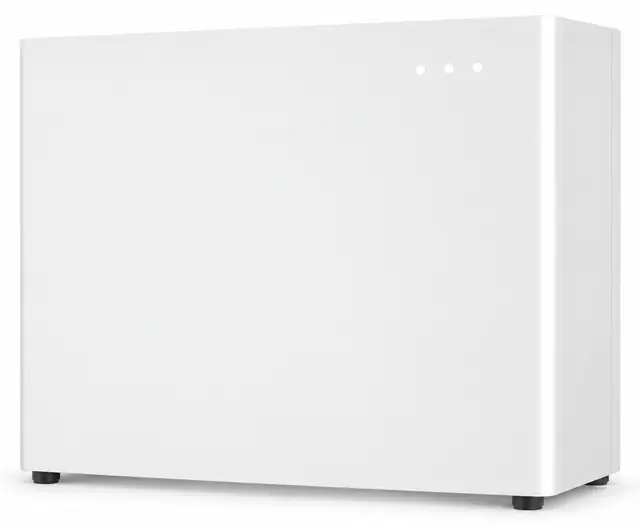
CompareVolt rating
6.9 out of 10
Older model · availability not confirmed
Small storage for a listed Bytewatt inverter, with ten-year cover but warranty claims only via your installer.
6.9 out of 10
- Warranty10 yrs, unlimited home use, 70% kept
- Functionality4.6 kWh, 4.8 kW DC; needs inverter
- VPP readiness3 programs; 1 names the 4.8S
- Australian backingSince 2020; installer-only claims
How this score adds up
| Warranty 8.5 (30%) | |
|---|---|
| Term: 10 years | 2.0 of 3 |
| Keeps 70% at year 10 | 1.5 of 2 |
| Home use: unlimited cycles | 3.0 of 3 |
| Conditions: none recorded | 2.0 of 2 |
| Functionality 6.5 (35%) | |
| Power and backup 5.5 · 60% of Functionality | |
| Continuous power: 4.8 kW battery DC; the inverter sets AC output | 1.5 of 4 |
| Backup equipment: comes from a separate Bytewatt inverter | 1.0 of 2 |
| Backup output: set by the inverter | 1.0 of 2 |
| Three-phase homes: listed for a three-phase supply | 2.0 of 2 |
| Capacity and expansion 7.0 · 30% of Functionality | |
| Largest documented system: 27.6 kWh (six modules in series, per the AU datasheet; the manual gives 27.3 kWh) | 3.0 of 4 |
| Adding later: 1 to 6 modules in series documented | 3.0 of 4 |
| Usable figure: 4.6 kWh in the Australian datasheet, 4.5 kWh in the manual | 1.0 of 2 |
| Enclosure 10.0 · 10% of Functionality | |
| Enclosure rating: IP65 | 10.0 of 10 |
| 5.5 × 60% + 7.0 × 30% + 10.0 × 10% = 6.4, rounded to the nearest half point: 6.5 | |
| VPP readiness 5.0 (15%) | |
| Open programs: 1 names BW-BAT-4.8S, 2 list Neovolt | 3.5 of 8 |
| Warranty room for VPP use: 3.97 MWh per kWh | 1.5 of 2 |
| Australian backing 6.5 (20%) | |
| Presence: importer Solar Capital Australia Pty Ltd; Neovolt office in Seven Hills NSW | 3.0 of 3 |
| In Australia since 2020 | 1.5 of 2 |
| Claim route: the installer contacts Bytewatt; no route for the owner is stated | 0.5 of 2 |
| Claim costs: service rebate to installers, amount unstated; labour and freight costs unstated | 1.5 of 3 |
| Overall: 8.5 × 30% + 6.5 × 35% + 5.0 × 15% + 6.5 × 20% = 6.875, rounded to one decimal: 6.9 | |
Rubric 1.0 · scored 19 Nov 2026 · How we rate batteries · Source documents
Rated so far: 38 batteries, from 4.4 to 8.2. Compare similar batteries · Use the quote checklist
In a nutshell
What’s good
- Small LFP module. A single module provides a small starting capacity, with larger series arrangements documented.
- Household uses uncapped. The warranty explicitly includes solar self-consumption, time-of-use shifting and backup without a cycle cap.
- Ten-year product cover. From first installation, with a 70% usable-capacity promise.
What to watch
- Conflicting official figures. Neovolt's documents disagree on usable capacity, and Bytewatt's single-phase system sheet gives a lower module limit.
- Match the exact model. The 4.8S is CEC-listed to 6 Dec 2027, but Neovolt's 9.6P I to VI models stay suspended; check the nameplate.
- Coastal mounting ban. Outdoor mounting is prohibited within 500 m of the coast or where sea breeze reaches; shelter and ventilation required.
1 more thing to watch
- Separate inverter required. Needs a compatible Bytewatt inverter; the module's 4.8 kW rating is not a household AC or backup guarantee.
Good fit for: A household considering a modest amount of storage as part of a matched Bytewatt inverter installation.
Look elsewhere if: You need a battery with its own AC inverter, or a supplier cannot resolve the exact model's documentation and approval status.
All specifications and notes
Capacity and power
| Usable capacity | 4.6 kWhAU datasheet figure for one module. The V02 manual instead gives 4.5 kWh usable; confirm the supplied specification. |
|---|---|
| Household AC output | Depends on inverterA separate compatible inverter is required. The module's 4.8 kW battery rating is not a household AC or backup guarantee. |
| Warranty | 10 years, use limits70% usable-capacity promise. Named household uses have unlimited cycles; other applications have an 18.24 MWh operating limit. |
| Expansion | Confirm module limitThe battery sheet allows six in series; Bytewatt's single-phase system sheet says four. Get the limit for your inverter. |
Manufacturer’s figures
As stated in the manufacturer’s Australian datasheet. Shown for reference; they don’t change the score.
| Weight | 53.4 kgWhether it can go on a wall, and how the installer has to handle it.One module, per the Australian datasheet |
|---|---|
| Dimensions | 590 × 430 × 205 mmWhether it fits the wall or cupboard where the installer plans to put it.Width × height × depth of one module |
| Operating temperature | Charge 0°C to 50°C; discharge −10°C to 50°CWhether it suits a hot garage or an outdoor wall where you live.The warranty's capacity promise needs ambient −10°C to 50°C |
More specifications
| Chemistry | LFPSingle module; larger series arrangements are documented. |
|---|---|
| Nominal capacity | 4.8 kWhThe Australian datasheet gives 4.6 kWh usable at 96% depth of discharge; the V02 manual gives 4.5 kWh at 95%. |
| Inverter | Separate Bytewatt inverterNeovolt's declaration lists three single-phase and five three-phase Bytewatt inverters; no other brand is listed. |
| Enclosure | IP65, shelter requiredThe manual requires shelter and ventilation despite the IP65 rating. |
| Coastal installation | No outdoor mounting within 500 mApplies to the coast and places exposed to sea breeze. |
| Warranty ambient range | −10°C to 50°CPerformance terms require this ambient range, alongside the manual's operating restrictions. |
What the system needs
| One BW-BAT-4.8S module | The reviewed battery has 4.8 kWh nominal capacity. The inverter is separate; a larger battery arrangement needs its own configuration check. |
|---|---|
| Compatible Bytewatt inverter | Neovolt's declaration lists single-phase SPH3.6K, SPH5K and SPB5K and three-phase TPH4K to TPH10K inverters. Confirm the exact inverter and permitted battery count. |
| Backup wiring and commissioning | Backup uses the inverter's dedicated connection and installer-provided protection. Specify the circuits supplied during an outage and include the required metering and commissioning. |
The Australian BW-BAT-4.8S is a battery module that needs a compatible Bytewatt inverter. This review covers one module; Neovolt's 9.6P and 10.1P batteries are different products.
Capacity and power
One BW-BAT-4.8S module stores 4.8 kWh nominally. The Australian datasheet gives 4.6 kWh usable at 96% depth of discharge, and the CEC's approved list also shows 4.6 kWh, while the V02 manual on Neovolt's download page gives 4.5 kWh at 95%. Our summary follows the Australian datasheet; get the usable figure for the supplied hardware confirmed in writing.
The datasheet's 4.8 kW rated power, which our rating uses as its continuous figure, isn't labelled continuous or peak and doesn't set household AC output. For example, Bytewatt's inverter declaration rates the compatible BW-INV-SPH5K at 5.0 kW, but that is an inverter rating, not a promise that one module will sustain it. Have the installer calculate output for the proposed battery count and operating conditions.
Expansion needs the same care. The battery datasheet and the manual allow up to six modules in series. Bytewatt's single-phase system datasheet for the SPH3.6K, SPH5K and SPB5K inverters allows four ("1~4 In Series"; re-read 19 November 2026). Don't plan a six-module installation until Bytewatt confirms the arrangement for your inverter.
Backup and installation
Neovolt's inverter declaration of October 2024 lists three single-phase Bytewatt inverters (BW-INV-SPH3.6K, SPH5K and SPB5K) and five three-phase ones (TPH4K, TPH5K, TPH6K, TPH8K and TPH10K) for the 4.8S. Backup runs through the selected inverter's wired backup connection. A battery purchase alone does not establish whole-home coverage or backup on all three phases; ask for a circuit plan and a check of simultaneous appliance loads.
Although the enclosure is IP65, the manual requires shelter and ventilation. It prohibits outdoor mounting in salt areas, defined as within 500 metres of the coast or places exposed to sea breeze. Bytewatt's capacity promise applies only if the battery is run as the specification and manual say, and the warranty excludes damage from not following the manual, so this matters for cover too. It can rule out a proposed external wall before capacity or price becomes the deciding factor. The manual forbids copying, so we keep no copy.
Warranty and ownership
Bytewatt's A13 Australian and New Zealand warranty (listed as "CEC 20260928") gives the 4.8S ten years of product cover from first installation and a 70% usable-capacity promise. Solar self-consumption, time-of-use shifting and backup have unlimited cycles within that term. Other uses, including combinations containing an unlisted use, carry an 18.24 MWh aggregate-throughput operating limit, measured at what the warranty calls the battery AC output. Neovolt's site still lists the earlier A7 edition, whose 4.8S terms are the same.
Working the warranty’s energy limits through at one full charge and discharge a day:
- Home use: no throughput limit.
- VPP and other uses: 18.24 MWh, about 3.97 MWh per usable kWh. At one full charge and discharge a day that is reached in about 10.9 years, so the 10-year term ends first.
At more than one full charge and discharge a day, the 18.24 MWh limit can end performance cover before ten years; it is not extra cover after the time term. The document does not expressly say that reaching it ends the separate product warranty. It does not name VPP dispatch, so obtain written confirmation of how your proposed service is treated.
Compliant installation, ventilation and operation matter: the capacity promise requires ambient temperatures between −10°C and 50°C, and applies only if the battery is run as the specification and manual say. The warranty also doesn't cover components "not initially sold by Bytewatt as a part of the system", including ones of the same model that the installer or owner sourced, so get Bytewatt to confirm in writing that modules added later will be covered. Keep commissioning records and use the installer-led claim process. The separate November 2024 warranty update treats earlier purchases individually, so existing owners should confirm their applicable terms. Australian Consumer Law rights remain separate.
Brand and Australian support
Support evidence checked 19 November 2026. Neovolt is the brand of Bytewatt Technology Co., Ltd of Suzhou, China. The A13 warranty names a local contact in Australia at Rouse Hill, New South Wales, on 1300 901 706, and an Australian importer, Solar Capital Australia Pty Ltd. Neovolt's Australian contact page gives an office at Unit 24/195 Prospect Hwy, Seven Hills NSW 2147, +61 1300 901 706 / +61 2 8073 0561 and service.au@byte-watt.com. Solar Capital Australia's ABN has been active since 11 June 2020; from March 2024 to April 2026 it also held the business name Bytewatt Technology Australia. A separate company, Neovolt Technology AU Pty Ltd, registered in April 2026; the warranty doesn't name it. We found no ASIC insolvency notices for Solar Capital Australia. Six years of records don't tell you how claims go.
Claims run through the installer, who contacts Bytewatt and sends an RMA form. Bytewatt says it dispatches a replacement within three working days, subject to stock, and the installer must return the faulty unit within 30 days or lose the service rebate. Once Bytewatt confirms a materials or workmanship defect, it may repair the unit on site or at a service centre, or send the closest product in its current range, which can differ in specification and size and may use refurbished parts. The installer may get a service rebate if the returned unit is found defective, claimed within three months; the warranty sets no amount. It doesn't say who pays labour, travel or return freight, and it sets out no route for a household whose installer has closed. Australian Consumer Law rights remain separate.
We did not verify an Australian recall for the reviewed BW-BAT-4.8S module or its Bytewatt controller in the ACCC, CEC or Energy Safe Victoria registers checked on 21 September 2026. Before paying, reconcile the 4.6 kWh versus 4.5 kWh figures, exact inverter/module limit, current approval, servicing installer and warranty version.
Price and alternatives
Neovolt's battery page still lists 4.8S documents, but that doesn't confirm stock or new-system availability. Neovolt publishes no price. Ask Neovolt Australia to confirm supply and an installer contact, then request an itemised quote for the module, inverter, metering, backup work, commissioning and GST.
Model identity is especially important here. The CEC suspension effective 15 September 2026 named BW-BAT-9.6P and variants I–VI over nameplate and variant discrepancies; the CEC says it was not based on a recall or identified safety issue. The CEC lifted it for BW-BAT-9.6P on 7 October 2026, while variants I–VI stay suspended and ineligible for STCs. BW-BAT-4.8S was not named, and the CEC list showed it approved (BAT-568) until 6 December 2027 when we checked on 18 November 2026. Have the installer substantiate any incentive against the exact model.
Compare a second complete-system quote with similar usable storage and the same backup circuits. Neovolt's other reviewed battery, the BW-BAT-9.6P, is a different design: 9.6 kWh cabinets connected in parallel, with a twelve-year warranty. If retaining your solar inverter matters, compare AC-coupled batteries in the battery catalogue. Compare the installation work as well as the battery price.
Who it suits
Start with your evening energy use, estimated with the battery size calculator, and essential appliances, then ask whether one module meets that demand. Before signing, settle the usable-capacity discrepancy, inverter pairing, permitted expansion and current approval in the written proposal. For a VPP, confirm the provider accepts that exact combination in your location and that Bytewatt confirms its warranty treatment.
How it compares
Other reviewed batteries closest to 4.6 kWh of usable capacity.
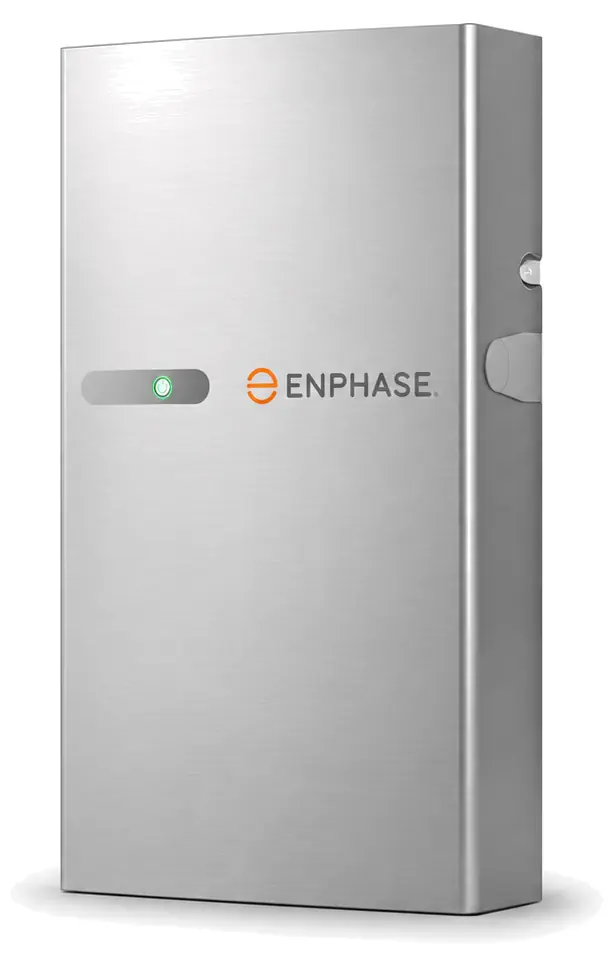
- Enphase IQ Battery 5P reviewRated 6.5 out of 105 kWh usableWarranty: 15 yrs or 6,000 cyclesOne difference: VPP readinessEnphase IQ Battery 5P3.0BW-BAT-4.8S5.0
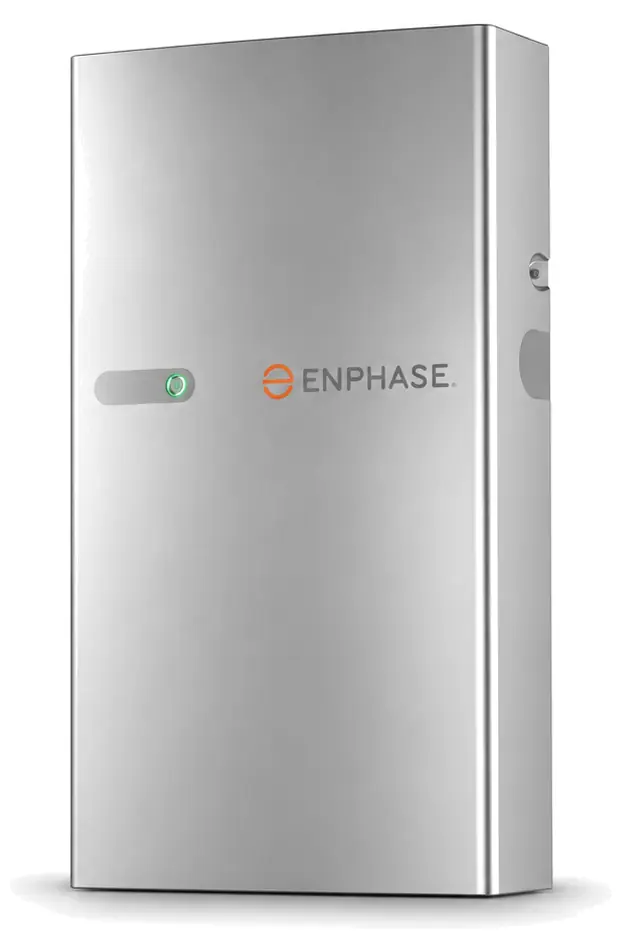
- Family reference imageEnphase IQ Battery 5P with FlexPhase reviewRated 6.8 out of 105 kWh usableWarranty: 15 years, 6,000 cyclesOne difference: Australian backingEnphase IQ Battery 5P with FlexPhase8.5BW-BAT-4.8S6.5
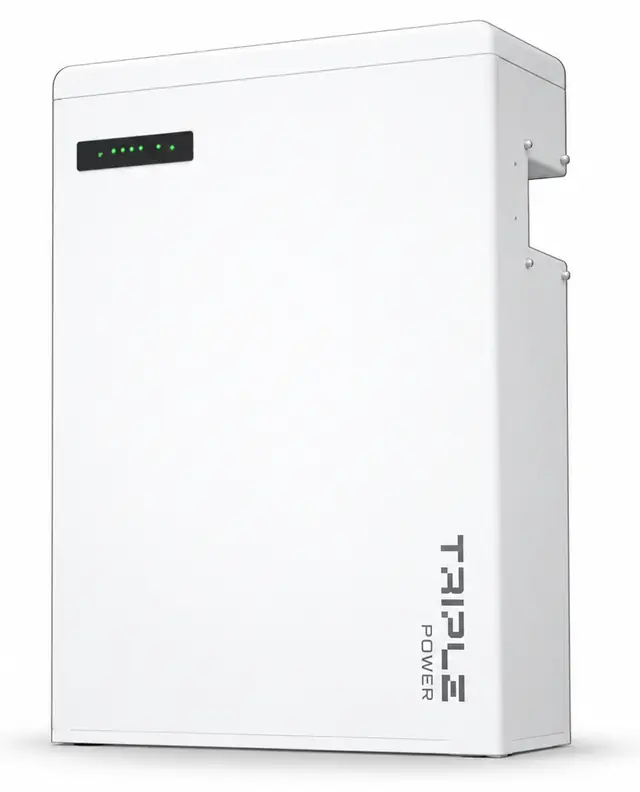
- SolaX Triple Power T-BAT H 5.8 V2 reviewRated 5.9 out of 105.1 kWh usableProduct warranty: Up to 10 yearsOne difference: WarrantySolaX Triple Power T-BAT H 5.8 V27.0BW-BAT-4.8S8.5
Questions people ask
Is the Neovolt BW-BAT-4.8S compatible with my inverter?
Only with a listed Bytewatt inverter. Neovolt's October 2024 declaration names the single-phase SPH3.6K, SPH5K and SPB5K and the three-phase TPH4K to TPH10K, and no other brand, so confirm the exact inverter and permitted battery count.
How long is the Neovolt BW-BAT-4.8S warranty?
Ten years of product cover from first installation, with a 70% usable-capacity promise. Solar self-consumption, time-of-use shifting and backup have unlimited cycles; other uses have an 18.24 MWh operating limit, and VPP dispatch is not named.
Can the BW-BAT-4.8S be installed outside?
The enclosure is IP65, but the manual requires shelter and ventilation. It prohibits outdoor mounting in salt areas, meaning within 500 metres of the coast or places exposed to sea breeze.
How many BW-BAT-4.8S modules can I add?
The datasheet and manual allow six in series, but Bytewatt's single-phase system sheet allows four (re-read 19 November 2026). The warranty excludes components not initially sold by Bytewatt as part of the system, so get the limit and cover for added modules confirmed in writing.
How much does the Neovolt BW-BAT-4.8S cost in Australia?
Neovolt publishes no price. Ask Neovolt Australia to confirm supply and an installer, then get an itemised quote covering the module, inverter, metering, backup work, commissioning and GST.
How long will 4.6 kWh last?
Divide 4.6 kWh (Australian datasheet; the V02 manual says 4.5 kWh) by your load: about 4.6 hours at 1 kW or 1.5 hours at 3 kW. Real run time depends on the inverter and what is on the backup circuit.
Before you accept a quote
Neovolt doesn’t publish a price for this battery, so the installed price comes from your quotes.
- The quote names BW-BAT-4.8S, the number of modules and the exact compatible Bytewatt inverter.
- Usable capacity (4.6 kWh datasheet versus 4.5 kWh manual) and the module limit for your inverter are confirmed in writing.
- Backup circuits, metering, commissioning and GST are itemised.
- The installer substantiates any incentive against the exact model and the current CEC list.
- The applicable warranty (A7 or A13) and the 2024 update are attached, with written word on how Bytewatt treats VPP use.
Check the model in your quote
Check that your quote names BW-BAT-4.8S in the configuration this review covers.
Other Neovolt lines: Neovolt batteries
Australian support and warranty claims
- Australian presence
- Importer Solar Capital Australia Pty Ltd; Neovolt office in Seven Hills NSW
- In Australia since
- 2020
- Where claims go
- The installer contacts Bytewatt; no route for the owner is stated
- Claim costs
- Service rebate to installers, amount unstated; labour and freight costs unstated
Neovolt Australian contact details (opens in a new tab) · Warranty document (opens in a new tab) · Checked
VPPs that list Neovolt BW-BAT
Compare programsThese programs list the battery family. “Names BW-BAT-4.8S” marks a program whose published list names this line. Your exact battery, inverter and address still need approval; inclusion does not confirm warranty cover. How VPPs work.
All programs shown require an electricity account with the provider. If you already use that retailer, a switch may not be needed; a particular plan may still be required. Credits are before electricity costs and any program fees.
3 listings · 1 recorded as naming BW-BAT-4.8S · Program A–Z
| Provider | Program | Names BW-BAT-4.8S | States listed | Reward snapshot | Last checked |
|---|---|---|---|---|---|
| Amber | SmartShift | Not recorded | NSW · VIC · SA · ACT · QLD (Energex) | Variable wholesale export earnings | |
| GloBird Energy | ZEROHERO · VPP add-on | Not recorded | NSW · VIC · SA · QLD (Energex) | Conditional daily and export credits | |
| Origin Energy | Loop · Battery Lite | Yes | NSW · SA · VIC · QLD · ACT | $1/kWh during VPP events |



Amber
SmartShiftListed: NSW · VIC · SA · ACT · QLD (Energex)
GloBird Energy
ZEROHERO · VPP add-onListed: NSW · VIC · SA · QLD (Energex)
Origin Energy
Loop · Battery LiteListed: NSW · SA · VIC · QLD · ACT
Names BW-BAT-4.8S
Reward snapshots — open the program for all credits, tariffs and conditions.
Source documents
7 documents
The documents behind this rating. Where we keep a copy, it is unmodified and dated; check the manufacturer for the latest version. We work out the rating with a fixed rubric from these documents and our VPP data. No manufacturer pays for a score or sees one before it is published.
- Bytewatt — Australia and New Zealand warranty, CEC list A13 (listed as CEC 20260928) (PDF, opens in a new tab)
PDF, 189 KB · Used for: Warranty, Australian backing
Retrieved from neovoltess.au
- Neovolt — Australian BW-BAT-4.8S datasheet (PDF, opens in a new tab)
PDF, 1.7 MB · Used for: Functionality, Manufacturer’s figures, Review source
Retrieved from neovoltess.au
- Neovolt — declaration of inverter compatibility (8 Oct 2024) (PDF, opens in a new tab)
PDF, 377 KB · Used for: Functionality
Retrieved from neovoltess.au
- www.neovoltess.au/upload/down/1729214737942421.pdf (opens in a new tab)
Used for: Functionality
No copy kept: the document does not permit reproduction, checked on
- www.neovoltess.au/Contact-us (opens in a new tab)
Used for: Australian backing
- abr.business.gov.au/ABN/View?abn=78641644046 (opens in a new tab)
Used for: Australian backing
Also linked in the review
Copies of documents the review text links. We don’t use them for the rating.
- Bytewatt — Australia and New Zealand warranty, CEC list A7 (earlier edition) (PDF, opens in a new tab)
PDF, 292 KB · Used for: Review text
Retrieved from neovoltess.au