
CompareVolt rating
5.9 out of 10
Older model · availability not confirmed
16 kWh in one pack for heavy evening use on a listed inverter, but cover may fall to five years offline.
5.9 out of 10
- Warranty10 yrs, but 3 conditions can cut it
- Functionality16 kWh, 7 kW DC; needs an inverter
- VPP readiness1 program only; VPP cover unclear
- Australian backingSince 2017; claim costs not stated
How this score adds up
| Warranty 6.0 (30%) | |
|---|---|
| Term: 10 years | 2.0 of 3 |
| Keeps 70% at year 10 | 1.5 of 2 |
| Home use: 54 MWh, 3.38 MWh per kWh | 2.0 of 3 |
| Conditions: may fall to 5 yrs offline; can start 12 months after manufacture; void off-grid | 0.5 of 2 |
| Functionality 7.0 (35%) | |
| Power and backup 7.0 · 60% of Functionality | |
| Continuous power: 7 kW battery DC; the inverter sets AC output | 3.0 of 4 |
| Backup equipment: needs a separate listed inverter | 1.0 of 2 |
| Backup output: set by the inverter | 1.0 of 2 |
| Three-phase homes: listed with three-phase Solis S6-EH3P(5-10)K-H-AU plus LG's 3Phase Box | 2.0 of 2 |
| Capacity and expansion 7.0 · 30% of Functionality | |
| Largest documented system: 16 kWh (one pack; datasheet: max. 2 in parallel, 32 kWh) | 2.0 of 4 |
| Adding later: a second pack (32 kWh) is documented; LG's list notes it only for SBS5.0 | 3.0 of 4 |
| Usable figure: 16 kWh, agreed | 2.0 of 2 |
| Enclosure 7.0 · 10% of Functionality | |
| Enclosure rating: IP55 | 7.0 of 10 |
| 7.0 × 60% + 7.0 × 30% + 7.0 × 10% = 7.0 | |
| VPP readiness 2.0 (15%) | |
| Open programs: 1 names RESU Prime | 1.5 of 8 |
| Warranty room for VPP use: 54 MWh is for self-consumption or backup; VPP use isn't mentioned | 0.5 of 2 |
| Australian backing 6.5 (20%) | |
| Presence: LG Energy Solution Australia Pty Ltd, published contacts | 3.0 of 3 |
| In Australia since 2017 | 1.5 of 2 |
| Claim route: reseller first, then LG Energy Solution | 1.5 of 2 |
| Claim costs: not stated | 0.5 of 3 |
| Overall: 6.0 × 30% + 7.0 × 35% + 2.0 × 15% + 6.5 × 20% = 5.85, rounded to one decimal: 5.9 | |
Rubric 1.0 · scored 16 Nov 2026 · How we rate batteries · Source documents
Rated so far: 38 batteries, from 4.4 to 8.2. Compare similar batteries · Use the quote checklist
In a nutshell
What’s good
- Single-pack capacity. One pack provides substantial usable storage without combining several cabinets.
- Two-pack expansion. The datasheet allows a second pack in parallel, for 32 kWh; LG's global manual says both must be the same size, and LG's list notes multi-battery mode only for the SBS5.0.
- 11 kW peak discharge. Per pack for 10 seconds, above the 7 kW DC rating; this does not promise a particular appliance will start.
1 more good point
- Ten-year warranty package. Ten-year product cover plus a performance promise of 70% energy retention until ten years or 54 MWh.
What to watch
- Backup circuits unconfirmed. A compatible battery pairing alone does not establish which household circuits work during a blackout.
- Warranty needs connectivity. Missing internet access or RESU Monitor registration can shorten the manufacturer's full warranty period.
- Not for off-grid use. An off-grid installation voids the warranty; an approved inverter and grid connection are required.
2 more things to watch
- Conflicting weight figures. Weight is 159 kg in the datasheet and manual but 111 kg in the product-page table; resolve it before planning access.
- VPP use not addressed. The warranty covers self-consumption or backup and doesn't mention VPPs, so get LG's written position on your program.
Good fit for: Homes choosing a complete battery-and-inverter installation for substantial evening consumption, with reliable internet and room for a standing battery.
Look elsewhere if: You need a standalone off-grid installation, or expect the battery's 7 kW DC rating to guarantee that much household AC output.
All specifications and notes
Capacity and power
| Usable capacity | 16 kWhUsable energy in the reviewed configuration. |
|---|---|
| Battery charge/discharge | 7 kW maximum DCPer pack. Peak discharge is 11 kW for 10 seconds; neither figure guarantees household AC output. |
| Household AC output | Depends on inverterA listed inverter and specified firmware are required. Backup equipment and behaviour vary by pairing. |
| Performance warranty | 10 years or 54 MWhWhichever comes first, with 70% energy retention. Product cover and internet/registration conditions are explained below. |
Manufacturer’s figures
As stated in the manufacturer’s Australian datasheet. Only the IP rating feeds the score; the rest are shown for reference.
| IP rating | IP55The maker’s rating for dust and water getting in, which matters on an outdoor wall. |
|---|---|
| Dimensions | 504 × 1,086 × 295 mm (W × H × D)Whether it fits the wall or cupboard where the installer plans to put it.One RESU16H Prime pack (p.2) |
| Charge power | 7 kW maximum charge/discharge powerHow fast it can soak up solar, or a cheap or free power window.Peak discharge 11 kW for 10 s; max 20 A at 350 V (p.1) |
| Operating temperature | Charge −10°C to 50°C; discharge −20°C to 50°CWhether it suits a hot garage or an outdoor wall where you live.Datasheet’s preferred range is 15°C to 30°C; the warranty has the same limits (p.1) |
| Cell chemistry | Lithium IonThe type of battery cell the maker says is inside.As printed (“Battery Chemistry”); no cell type given (p.1) |
More specifications
| Model code | EH257064P8S1One pack: two battery modules and a Battery Control Unit. |
|---|---|
| Nominal energy | 16.45 kWh16 kWh usable at 25°C under LG's test conditions. |
| Expansion | Up to 2 packs in parallelEqual-capacity packs only, subject to the inverter and installation design. Two packs give 32 kWh under the specified conditions. |
| Weight | 159 kgFrom the datasheet and manual; the product-page table says 111 kg. |
| Siting | Level ground, under an eave outdoorsAway from direct sunlight, on ground that supports the pack's weight. |
| Monitoring | RESU Monitor registrationThe installer configures the Remote Monitoring Device for registration and remote updates. |
What the system needs
| One RESU16H Prime pack | Two battery modules and a Battery Control Unit make up the reviewed standing pack. Solar and household AC connect through the inverter. |
|---|---|
| Approved inverter and backup | Specify the exact listed inverter, software and backup wiring. Some pairings need additional equipment or restrict charging during an outage. |
| Commissioning and monitoring | The installer configures the Remote Monitoring Device and checks RESU Monitor registration. Agree how the battery will reach the internet. |
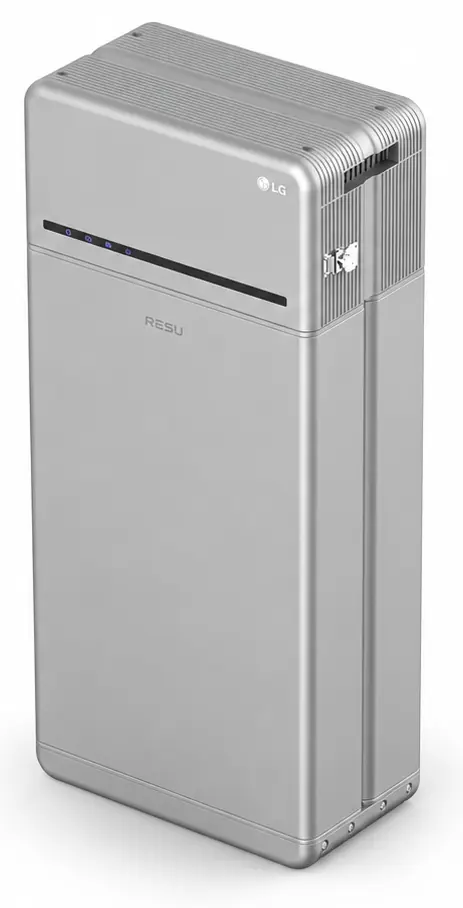
The Australian RESU16H Prime is a high-voltage battery with 16 kWh of usable storage. This review covers one EH257064P8S1 pack, which needs a separate compatible inverter.
Capacity and power
The datasheet gives 16 kWh usable from 16.45 kWh in total, measured at 25°C under LG's test conditions. Inverter losses and the backup reserve mean your home gets less than that. Size the battery around the energy you can store and use later, not just your total daily use.
The power figures above are the battery's DC (direct current) output, before the inverter turns it into the AC your home uses. The inverter sets your household output. The 11 kW peak lasts ten seconds and excludes repeated short bursts. It doesn't promise your system will start a particular air conditioner, because the inverter and other running loads still matter.
The datasheet allows two packs in parallel for 32 kWh, but this review covers one pack. LG's global installation manual says parallel packs must be the same size, and its Australian inverter list notes multi-battery operation only for the SMA SBS5.0. If you might add a second pack, check that your inverter takes two.
Backup and installation
Ask for a written backup design that names the circuits, the AC power limit and the changeover equipment. LG's Australian inverter list says every installation needs a listed inverter, and an unlisted one voids the warranty. It also sets the inverter software and battery firmware for each pairing, so matching the brand isn't enough.
The list says three GoodWe EHB models can run in backup mode. The three-phase Solis S6-EH3P(5-10)K-H-AU needs LG's 3Phase Box and an inverter made after 15 September 2023. That is a three-phase pairing with conditions, not automatic whole-home backup.
The SMA SBS5.0 can also run in backup mode, but the battery won't charge during a blackout, and the pairing isn't Secure Power Supply compatible. With that inverter, don't count on solar to stretch an outage.
This is a floor-standing pack. The manual requires level ground that can take its weight and, outdoors, shelter under an eave out of direct sun. The datasheet and manual give 159 kg, but the product page's table says 111 kg, so ask the installer to settle the figure before planning access. Commissioning includes the Remote Monitoring Device and a RESU Monitor registration check.
Warranty and ownership
LG's Australian warranty covers defects for ten years. Its performance promise keeps 70% of capacity until ten years or 54 MWh of total throughput, whichever comes first. Both start at installation, or 12 months after manufacture if that comes sooner. A battery that sat in storage can lose part of its term before it goes in, so ask for the manufacture date.
Working the warranty’s energy limits through at one full charge and discharge a day:
- Home use: 54 MWh, about 3.38 MWh per usable kWh. At one full charge and discharge a day that is reached in about 9.3 years, before the 10-year term ends.
- VPP and other uses: 54 MWh is for self-consumption or backup; VPP use isn't mentioned.
Keep the battery online and registered. LG needs an internet connection to send firmware updates. If the battery isn't online or isn't registered on RESU Monitor, and LG can't send important updates, LG says it may not honour the full term. It will still give at least five years. The warranty sets no grace period for time offline.
Buy through an authorised reseller, and use an LG-certified installer with the right electrical licence for installation and servicing. The battery must run with a listed inverter and stay connected to the grid; an off-grid installation voids the warranty. Keep the purchase, installation and serial-number records.
The warranty covers residential solar self-consumption or backup, and excludes use for other purposes. It doesn't mention virtual power plants (VPPs), so it's unclear whether VPP use is covered, or under what limit. Get LG's written position on your program before you join. Australian Consumer Law rights apply on top of this warranty.
Brand and Australian support
Support evidence checked 21 September 2026; warranty and ABR record re-read 16 November 2026. LG Energy Solution's predecessor began battery research in 1992, and the company started as a separate business in 2020. LG Energy Solution Australia Pty Ltd has been an active Australian private company since 4 October 2017; it was LG Chem Australia until 15 December 2020. The warranty itself is given by LG Energy Solution, Ltd., and lists an Australian service phone and email.
To claim under the written Prime warranty, contact your reseller first; the reseller then contacts LG. You can also notify LG Energy Solution directly. Either way, report a fault within a month of finding it. Have dated proof of purchase, a description of the fault, the three serial numbers (two battery modules and the control unit) and the installer's or reseller's name ready. If your reseller has closed, you can still notify LG directly.
LG decides whether to repair the battery or replace it with refurbished parts of equal value. Warranty repairs and replacements count only when LG's appointed personnel do them. If the product is no longer sold, LG may supply equivalent equipment instead, or refund the depreciated value of the purchase price. The warranty doesn't say who pays for removal, reinstallation, labour, travel or freight on an accepted claim, so get that in writing. Australian Consumer Law rights apply on top.
LG's Australian recall service and the ACCC notices cover specified older models, production dates and serial numbers. They don't name RESU16H Prime, so don't apply those incidents to this battery without a serial match. They do show why serial checks and an active monitoring connection matter. We found no controlled Australian field study or failure-rate data for RESU16H Prime.
Price and alternatives
LG publishes no installed price. Its Australian page has a manufacturer quote enquiry that goes to a local certified installer; that shows how to ask, not that stock is available. Ask for an itemised price for the battery, inverter, backup equipment, monitoring connection and site work, with any rebate shown separately and checked against the system you're buying.
If your usage points to less storage, compare complete quotes with the BYD HVM 11.0 review and sonnenBatterie Evo review. Compare usable energy, backed-up loads and warranty conditions for the same household.
Who it suits
Use the battery size calculator to check your evening use against 16 kWh. Before you sign, check the quote says RESU16H Prime and model code EH257064P8S1; a quote that says only “LG RESU” doesn't identify this battery. Ask the installer to explain outage charging, reserve settings and the commissioning records you'll get.
If you plan to join a VPP, only one open program we track counts for this battery: Origin Loop names RESU Prime. AGL, ActewAGL and Amber list LG only with SolarEdge inverters, which LG's Australian inverter list for this battery doesn't include, so we don't count them. The warranty doesn't mention VPPs either, so get written acceptance from the program and LG for your exact battery and inverter.
For an existing or second-hand LG battery, the ACCC replacement recall and related recall name older RESU and specified other battery models; their published lists don't name RESU16H Prime. That isn't a clearance for any individual battery. If you're unsure of a battery's identity or recall status, contact LG's Australian recall team on 1300 677 273. Affected batteries must be switched off and kept off until LG's remedy advice permits operation; ask LG for help if you can't shut one down safely.
How it compares
Other reviewed batteries closest to 16 kWh of usable capacity.
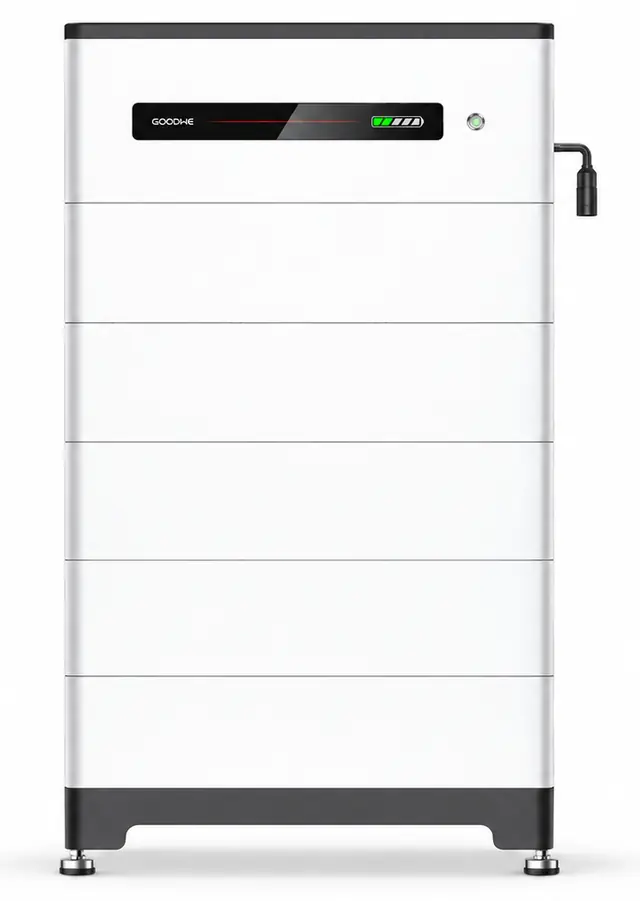
- Family reference imageGoodWe Lynx Home F G2 battery review (LX F16.0-H-20)Rated 6.9 out of 1016 kWh usablePerformance warranty: 10 years or 58.40 MWhOne difference: VPP readinessGoodWe Lynx Home F G2 battery review (LX F16.0-H-20)6.0RESU16H Prime2.0
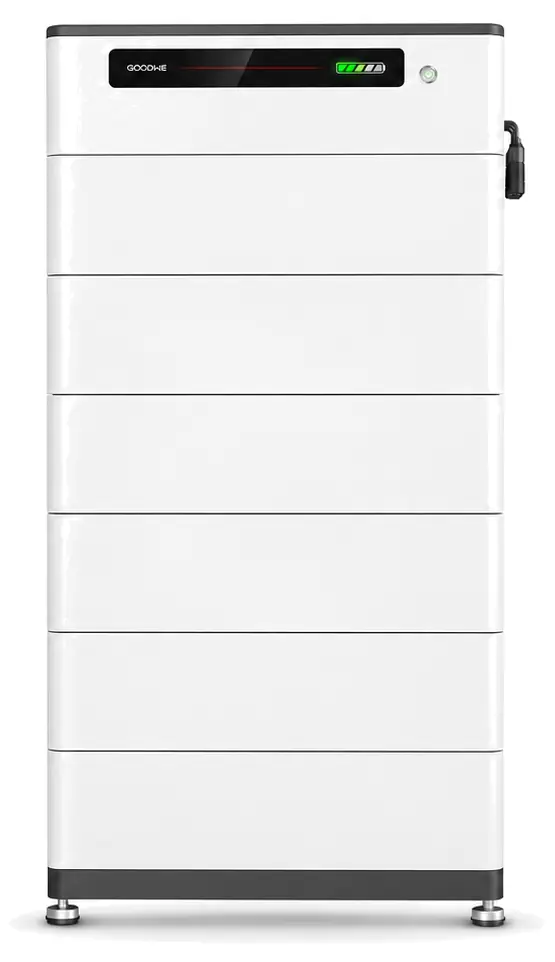
- GoodWe Lynx Home LX F16.4-H reviewRated 6.3 out of 1016.38 kWh usablePerformance warranty: 10 years or 41.93 MWhOne difference: Australian backingGoodWe Lynx Home LX F16.4-H8.0RESU16H Prime6.5
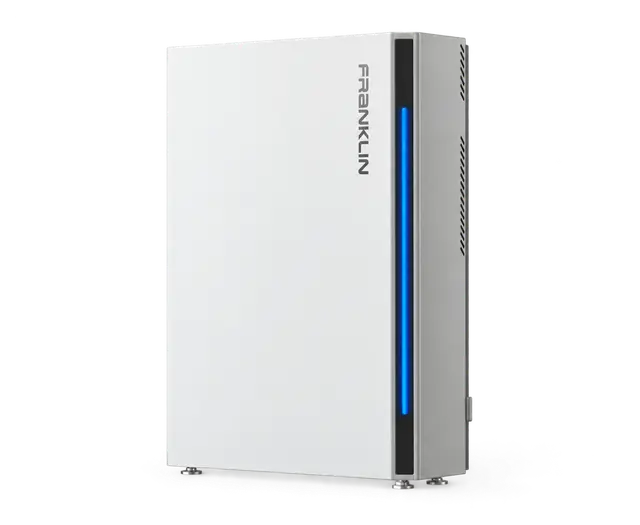
- FranklinWH aPower X-02-AU reviewRated 6.9 out of 1015 kWh usablePerformance cover: 12 years / 60 MWhOne difference: WarrantyFranklinWH aPower X-02-AU8.0RESU16H Prime6.0
Questions people ask
Is the LG RESU16H Prime compatible with my inverter?
Only with a listed inverter at the specified firmware, because the battery needs a separate compatible inverter. Matching the brand alone is not enough; check LG's Australian compatibility booklet for your exact model.
Does the LG RESU16H Prime work in a blackout?
It depends on the inverter. LG's list says the three listed GoodWe EHB models and the SMA SBS5.0 can run in backup mode, but with the SBS5.0 the battery won't charge during a blackout. The list says nothing about backup for the Solis pairing, so get the backup design in writing.
How long is the LG RESU16H Prime warranty?
Ten years of defect cover, plus 70% of capacity kept until ten years or 54 MWh, whichever comes first. Both can start 12 months after manufacture if it isn't installed sooner. Full cover needs internet access and RESU Monitor registration (LG gives at least five years without them); an off-grid install voids it.
Can I install two LG RESU16H Prime packs together?
Yes. LG's Australian datasheet allows two packs in parallel, for 32 kWh at 25°C. LG's global manual says both must be the same size, and the inverter must support it: LG's list notes multi-battery operation only for the SMA SBS5.0.
How much does the LG RESU16H Prime cost in Australia?
LG publishes no installed price. Its Australian page offers a quote enquiry routed to a local certified installer, so the price comes from an itemised quote.
How long will 16 kWh last?
Divide 16 kWh by your average load: about 16 hours at 1 kW or 5.3 hours at 3 kW. Inverter losses and the backup reserve reduce the energy delivered to the house.
Before you accept a quote
LG Energy Solution doesn’t publish a price for this battery, so the installed price comes from your quotes.
- The quote says RESU16H Prime and model code EH257064P8S1, not just LG RESU.
- It names the inverter and firmware from LG's compatibility booklet, plus any extra equipment.
- Backup circuits, AC power limit, changeover equipment and outage charging are written down.
- Battery, inverter, backup equipment, monitoring connection and site work are itemised.
- The installer is LG-certified and confirms RESU Monitor registration and the manufacture date.
Estimate the federal battery certificates for 16 kWh usable (opens in a new tab)
Check the model in your quote
Check that your quote names RESU16H Prime in the configuration this review covers. Other sizes can differ in specifications and warranty.
Other sizes in this line: RESU10H Prime, 9.6 kWh usable
Other LG lines: LG batteries
Australian support and warranty claims
- Australian presence
- LG Energy Solution Australia Pty Ltd, published contacts
- In Australia since
- 2017
- Where claims go
- Reseller first, then LG Energy Solution
- Claim costs
- Not stated
LG Energy Solution Australian contact details (opens in a new tab) · Warranty document (opens in a new tab) · Checked
VPPs that list LG Energy Solution RESU
Compare programsThese programs list the battery family. “Names RESU Prime” marks a program whose published list names this line. Your exact battery, inverter and address still need approval; inclusion does not confirm warranty cover. How VPPs work.
This program requires an electricity account with the provider. If you already use that retailer, a switch may not be needed; a particular plan may still be required. Credits are before electricity costs and any program fees.
1 listing · 1 recorded as naming RESU Prime · Program A–Z
| Provider | Program | Names RESU Prime | States listed | Reward snapshot | Last checked |
|---|---|---|---|---|---|
| Origin Energy | Loop · Battery Lite | Yes | NSW · SA · VIC · QLD · ACT | $1/kWh during VPP events |

Origin Energy
Loop · Battery LiteListed: NSW · SA · VIC · QLD · ACT
Names RESU Prime
Reward snapshots — open the program for all credits, tariffs and conditions.
Source documents
5 documents
The documents behind this rating. Where we keep a copy, it is unmodified and dated; check the manufacturer for the latest version. We work out the rating with a fixed rubric from these documents and our VPP data. No manufacturer pays for a score or sees one before it is published.
- LG Energy Solution — Limited warranty for RESU Prime home battery, Australia, v5.5, 27 Aug 2021 (PDF, opens in a new tab)
PDF, 637 KB · Used for: Warranty, Australian backing
Retrieved from lghomebattery.com.au
- LG Energy Solution — RESU16H Prime product specification (datasheet), Australia, REV 4.3, Aug 2023 (PDF, opens in a new tab)
PDF, 440 KB · Used for: Functionality, Manufacturer’s figures, Review source
Retrieved from lghomebattery.com.au
- www.lghomebattery.com.au/hv-support (opens in a new tab)
Used for: Australian backing
- abr.business.gov.au/ABN/View?abn=73622029047 (opens in a new tab)
Used for: Australian backing
- LG Energy Solution — List of compatible inverters for RESU Prime (10H, 16H), Australia, 14 Jul 2025 (PDF, opens in a new tab)
PDF, 168 KB · Used for: Review source
Retrieved from lghomebattery.com.au